
Solar has saved European consumers almost €4 billion since the Iran conflict broke out
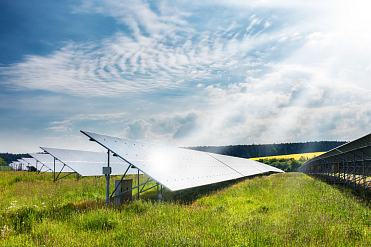
The latest data from SolarPower Europe shows that solar power in the European Union is delivering a tangible economic impact even in times of geopolitical uncertainty. During the first 17 days of the conflict in the Middle East, the EU saved €111.7 million per day on gas imports thanks to existing solar capacity. By March 2026, these savings amounted to €3.77 billion. In practice, this means that every megawatt-hour produced from the sun reduces the pressure on expensive fossil fuel imports and reduces the vulnerability of the European economy.
According to the analysis, solar power plants in the EU produced 19.9 terawatt-hours (TWh) of electricity in the first two and a half weeks of the conflict. If this energy had to be replaced by gas sources, it would have cost around €1.9 billion more. SolarPower Europe also reports that solar production reduced the total gas import bill by 32 percent during this period. This clearly shows the economic and security benefits of RES, and confirms their role as a tool that protects households, industry and public budgets.
This debate is all the more important for Slovakia because energy security can no longer be separated from domestic electricity production. Photovoltaics help to cushion price shocks. Its real value grows when it is complemented by battery storage, flexibility tools and more modern networks. SolarPower Europe also points out that battery storage, demand flexibility and flexible networks are among the fastest solutions to limit the impact of unpredictable gas price developments on electricity prices in Europe. In other words, it is not enough to just install panels, you also need to build a system that can use energy efficiently.
SolarPower EUrope also points out that if gas prices remain elevated or continue to rise, the total contribution of solar energy could reach up to 67.5 billion euros in 2026. By the end of the decade, cumulative savings could reach €170 billion in the medium development scenario. This shows that investments in solar are not just a response to climate goals, but also part of an economic strategy. For countries like Slovakia, this is a clear signal that supporting photovoltaics, electricity storage and flexibility is important not only for decarbonization, but also for resilience to future crises.